
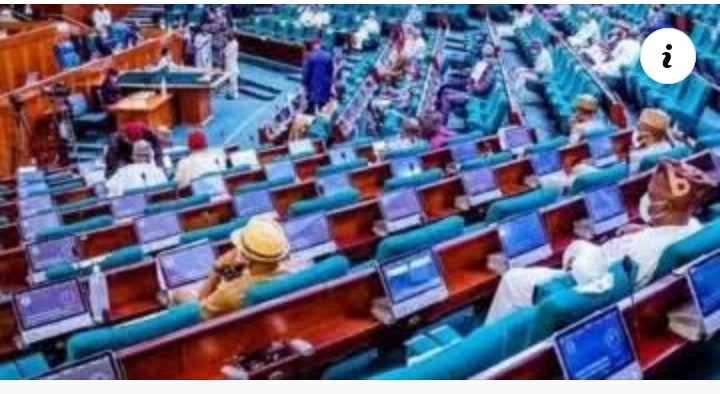
A Bill seeking to prohibit all public and civil servants in Nigeria, along with their immediate family members, from patronising private educational institutions and healthcare services has passed its first reading in the House of Representatives.
The proposed legislation aims to address the long-standing decline in the nation’s public education and healthcare systems, which many Nigerians believe suffer from chronic underfunding and neglect.
Sponsored by Amobi Ogah, who represents the Isuikwuato/Umunneochi Federal Constituency of Abia State, the Bill is intended to restore public confidence in government-run institutions by ensuring that those in power are directly reliant on the services they oversee.
Nigerian Hospitals must be fixed
“This Bill seeks to prohibit all public and civil servants, including their immediate family members, from using private schools and private healthcare services. The goal is to avoid conflicts of interest, maintain public trust, and ensure high standards within our public institutions,” Ogah stated.
He further argued that the growing preference among public officials for private institutions is a harmful trend that contradicts the values of earlier democratic leaders.
“It is alarming that our leaders are increasingly travelling abroad for medical treatment, with some even losing their lives in the process. This not only undermines our public institutions but also paints Nigeria in a poor light internationally,” he said.
Last Administration spent $29.29 billion on foreign medical expenses
Ogah highlighted that during the eight-year administration of the late former President Muhammadu Buhari, Nigerians spent an estimated $29.29 billion on foreign medical expenses.
In addition, $38.17 million was spent on foreign education between January and March 2024 alone, with a total of $218.87 million spent in 2023.
Ogah emphasised the need for coordinated efforts to rebuild the nation’s trust in public institutions.
“We must revitalise public schools, hospitals, and other Government services. This is essential for national development and economic stability,” he concluded.
The Bill will proceed to subsequent readings and debate in the coming weeks.

Bill Barring Public Servants From Patronizing Private Schools, Hospitals Underway. added by editor on
View all posts by editor →